If Guilford College is known for anything, it’s the trees. The 349-acre campus sits on land once part of the Quaker New Garden settlement, and generations of students have intentionally maintained it as a green and wooded environment. The area now known as the Guilford College Woods even includes pockets of old-growth forest that predate much of the surrounding development.
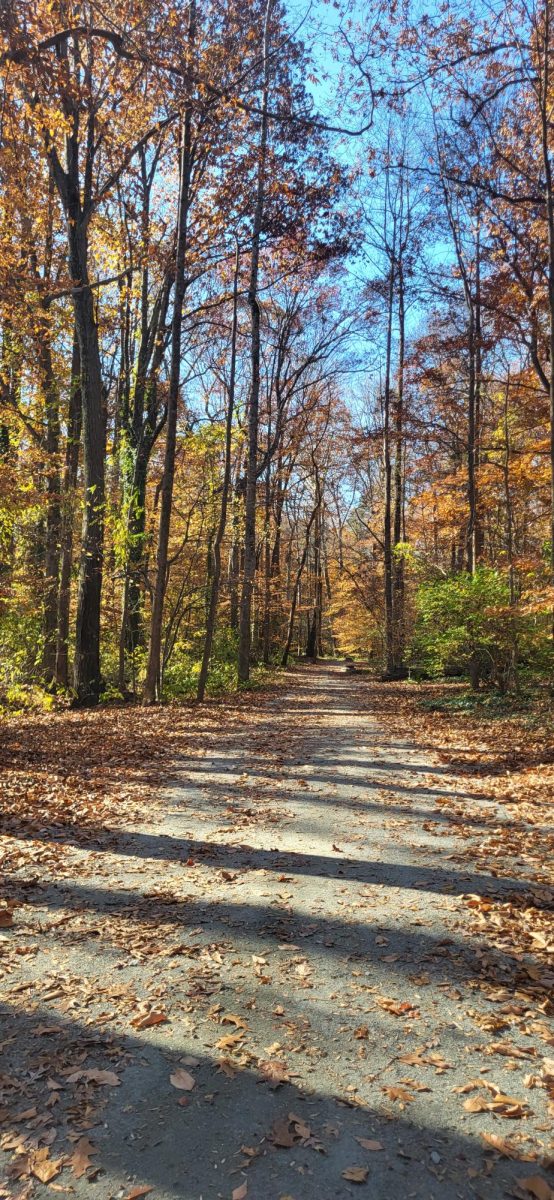
Each fall, the campus shifts into a mix of red, orange and gold, with leaves covering sidewalks, benches and grassy open spaces. As temperatures cool, students return to their favorite spots on campus to take in the changing colors.
One of the most popular locations is near the Grill, where a wooden swing hangs from an old oak tree. Early College student Genevi Kim said the spot has become a fall tradition.
“It’s my favorite place in fall because you can actually watch the leaves change over the weeks,” Kim said. “It’s relaxing to sit and just watch the leaves fall between classes.”
Maples and oaks shade the area, making it one of the most colorful parts of campus by late October.
Recently, the college has added features to make the main quad more interactive and welcoming. According to a statement from the Guilford College President’s Office, “the quad is a more vibrant place with the new swings, Adirondack chairs, boat-building project and other activities.” These additions have quickly become a hit with students, especially now, as the swings offer a front-row seat to the season’s changing colors.
Beyond campus, North Carolina is one of the best states in the country for fall foliage thanks to its wide range of elevations. Colors typically appear first in the mountains in early October, then move toward the Piedmont and coast as temperatures drop.
According to Robert Bardon, NC State professor of forestry and environmental resources, “For the best colors, a combination of sunny days and cool, but not freezing, nights is ideal for a vibrant display.”
This timing, along with North Carolina’s diversity of tree species, contributes to a long and colorful fall season that draws visitors statewide.
For students seeking a weekend getaway, the Blue Ridge Parkway offers one of the region’s most scenic drives. Visit NC notes that visitors can expect “vibrant leaf color” beginning atop Grandfather Mountain and descending each week toward Boone, Blowing Rock and nearby valleys.
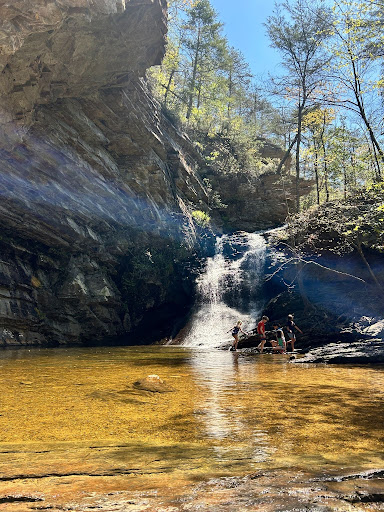
Closer to Greensboro, Hanging Rock State Park and Pilot Mountain remain popular day-trip destinations. Their overlooks provide wide views of rolling hills blanketed in yellow, red and orange. Both parks are easily accessible and offer students a low-cost way to spend time with friends and family outdoors.
The science behind the season adds another layer to the experience. As nights cool and days remain sunny, trees stop producing chlorophyll—the green pigment that masks other colors. When chlorophyll fades, the yellow and orange pigments become visible, while red hues form when sugars build up in the leaves. These environmental factors determine how vibrant the colors will be each year.
For many students, the changing trees are a simple but meaningful part of campus life.
“It’s the best time actually to walk around campus,” Kim said. “Everything looks different for a few weeks, and it’s nice just to notice it.”
Whether it’s swinging under the oaks, walking to class through falling leaves or taking a short trip to the mountains, Guilford students are finding ways to enjoy the season before winter arrives. The colors may last only a few weeks, but they define what fall feels like on–and beyond–Guilford’s campus.